You’re counting calories, starting over every Monday, but nothing’s changing. The problem isn’t your discipline. The problem is that nobody ever showed you how this actually works.
What’s Really Going Wrong
Most people think cutting calories is enough. So they keep starting over — hungry, drained, and the scale won’t move. Yes, weight loss is built on a caloric deficit. But not all calories work the same way in your body. If you don’t get your macronutrients right — protein, carbs, and fats — your body will work against you. You can end up constantly hungry, slow your metabolism, and lose muscle instead of fat. Or you can feel full, have energy, and actually lose weight the right way. The difference is in the plan.
1. Protein — The Foundation of Everything
Protein is your body’s building block and the key to staying full. When you eat enough protein, you naturally feel more satisfied and your appetite becomes easier to manage. Without enough of it — hunger becomes uncontrollable and you start losing muscle. Find out exactly how much protein you need and where to get it without supplements.
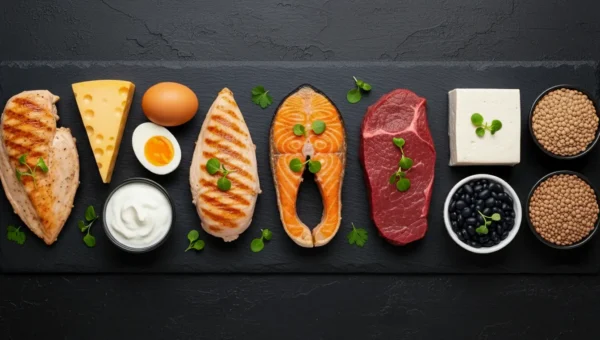
Good sources: chicken and turkey breast, lean beef, fish, Greek yogurt (0% fat — around 15g of protein per 100g), low-fat cottage cheese (around 10g per 100g).
Simple rule: 100g of meat = around 20g of protein. Your daily target is between 1.6 and 2.2 grams of protein per kilogram of body weight. For most people, around 2 grams per kilogram is optimal.
Spread it across 4–5 meals a day — that alone solves half the hunger problem.
2. Carbohydrates — Energy, Not the Enemy
Carbohydrates are your body’s fuel. The key is choosing them wisely. Go for: rice (around 80g of carbs per 100g), potatoes (around 20g), whole grain pasta (around 70g), whole grain bread (around 50g), oats (around 60g).
Eat your carbs earlier in the day and around your workouts. Your last meal should be carb-free — just protein and fats.
3. Fats — Hormonal Balance
Fats are directly responsible for healthy hormonal balance. Cutting them out completely is a mistake that will wreck your energy levels and your body’s overall function. The optimal intake is around 0.8 to 1 gram per kilogram of body weight.
Good sources: olive oil, almonds, cashews, egg yolks.
4. Water, Salt, and Vegetables
Drink around 1 liter of water for every 20 kg of body weight. Without enough water, your metabolism can’t function properly. Salt your food normally — salt is important for muscle function and thyroid health. Eat vegetables with every meal, no need to weigh them — they provide fiber, slow digestion, and keep you full. Potatoes count as a carb source, not a vegetable.
5. How Weight Loss Actually Works
You lose weight by finding the carbohydrate level at which the scale consistently goes down. While it’s moving — don’t change anything. If it stalls for two weeks in a row, cut carbs by 20–25 grams or add 5–10 minutes of activity. No dramatic changes — everything is gradual. If the weight keeps coming back, read why that happens and how to stop it.
Weigh yourself once a week, in the morning on an empty stomach, and track your waist measurement.
6. Activity
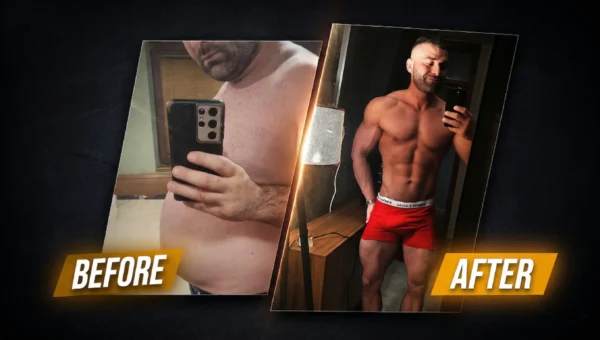
You don’t need a gym to lose weight. Any kind of movement works — walking, running, sport. What matters is that there’s something you can gradually increase over time. Activity helps you preserve muscle and burn more energy, which makes it harder to fall back into old habits. See which habits helped me lose 35 kg.
7. Planning Is Everything
Most people don’t fail because of a bad plan — they fail because of inconsistency. If your days are packed, prep your food the night before. Without planning, there are no results.
The Bottom Line
It’s not a discipline problem. The problem is that nobody ever taught you how this works. Now you know.
If you need help building a plan that’s tailored specifically to you, reach out here.
Author: Momir Bogdanović — Online Fitness Coach